
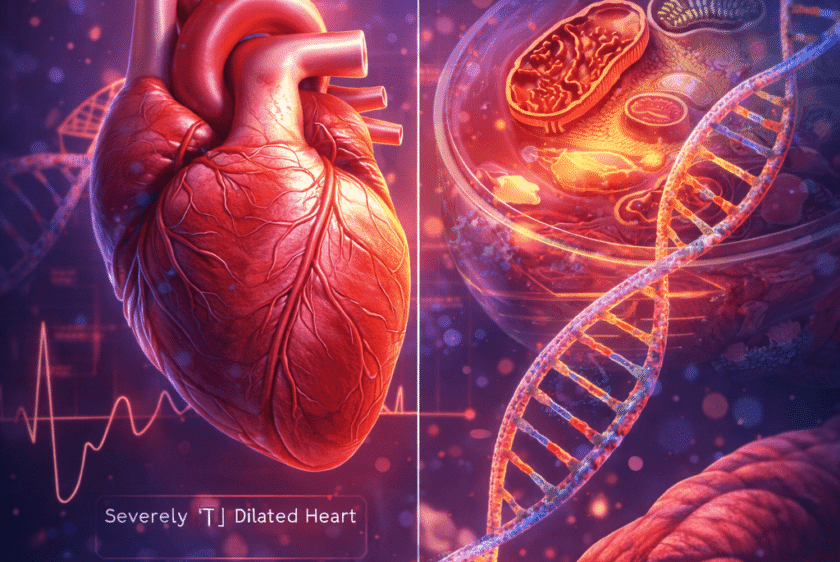
Although CHKB-related megaconial muscular dystrophy is typically recognized for its skeletal muscle and developmental symptoms, recent evidence indicates that cardiac involvement can be a dominant feature in some individuals.
In this case report, a 13-year-old patient presented with severe dilated cardiomyopathy linked to a homozygous truncating variant of the CHKB gene (c.598delC). The mutation resulted in impaired mitochondrial function within cardiac tissue, leading to reduced ventricular performance, conduction abnormalities, and progressive heart failure symptoms.
Unlike classic MDCMC presentations, this patient exhibited relatively mild skeletal muscle symptoms, emphasizing that cardiomyopathy may sometimes be the earliest or most severe manifestation of CHKB deficiency.
Management included cardiac resynchronization therapy and close cardiac surveillance, reinforcing the importance of multidisciplinary care.
These findings broaden the recognized phenotype of CHKB mutations and highlight the need for therapeutic approaches that address both skeletal and cardiac tissues — a core design principle of AAV9-based gene delivery systems.
Explore how HaliGene targets the multi-system nature of CHKB deficiency with precise, tissue-optimized gene replacement strategies.